

It really feels like photography is becoming less and less significant.
While there’s probably an exponentially growing number of hobbyist photographers around the globe, its presence in the media is declining, and it doesn’t feel like any platforms are acting as the ‘home of photography’ – thanks for that change Instagram, once again, it’s an update nobody liked.
Having this opinion feels like I need to back it up heavily, which is completely understandable. Here are my thoughts on the decline, potential revival, and some open-ended questions about a very unique art form.
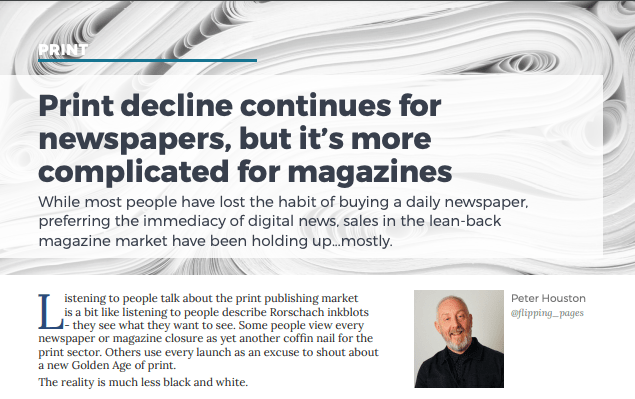
The Decline of Print Media
As one of the few places video can not be used, the gradual decline and potential ‘extinction’ of print media could be horrific for a lot of photographer’s careers.
This explains itself really, and it shouldn’t be a surprise that print media is declining. With it being easier than ever to access content online, the need to go and grab the daily newspaper is gone when you can receive live updates from multiple sources much quicker. With articles published online, it’s much easier to illustrate and tell a story with a video regarding the topic in discussion – it allows publishers to push whatever narrative they see fit, whereas images leave this open to the reader to decide the intentions of those captured.
While national print may be declining, there is a glimmer of hope in ‘niche print’, such as local/community papers, providing an audience with the information that they require – however, from experience these don’t tend to be too friendly on the photography side of things. The same can be said for B2B magazines, but again, unless photography-focussed these don’t tend to showcase a huge level of skill with a camera.
Static Out-Of-Home Advertising
Being entirely outdoors, OOH campaigns tend to take place on billboards, vehicles, and posters – forcing marketing teams, designers, and creatives to plan and execute the perfect single frame to grab the attention of the public.
The advancement of technology has pushed a lot of these campaigns to Digital-OOH, making use of short videos to increase visibility, sometimes incorporating AR and 3D into these displays to fully engage those passing by to create a memorable experience; helping to freeze the brand in their mind.
I’m not arguing that this development is negative overall, it’s led to some incredible creative campaigns and it’s always interesting to see what comes from these. The development in this area has almost made it so that the use of photography is no longer enough to grab attention. When constantly faced with short, fast-paced video, it’s unlikely that a photo can create a similar impact on the viewer when compared to the rest.
For a while now, it’s been a goal to have my own billboard. No purpose behind it, nothing to promote, maybe just one of my photos with nothing else, or just blank with some text to say to myself that I managed to do it. Something about having your work displayed to millions of people without having to actively target them really resonates with me. I’d love to just sit nearby and hear the reactions of those who notice it.
Are Algorithms Limiting Creativity?
Understanding the algorithm is crucial for those wishing to increase their visibility on any platform, but it can come at a cost. With a preference towards certain types of content, short-living trends and an abundance of choice available for viewers, creatives may sacrifice some of their skillset to make a living through their digital presence.
Honestly, this is probably something I could speak about for days on end so I’ll try to keep it brief. As a quick overview, TikTok started a trend of short, fast-paced, vertical video and I’m not a fan.
For every social media that has now created their own version of this, I’m also not a fan.
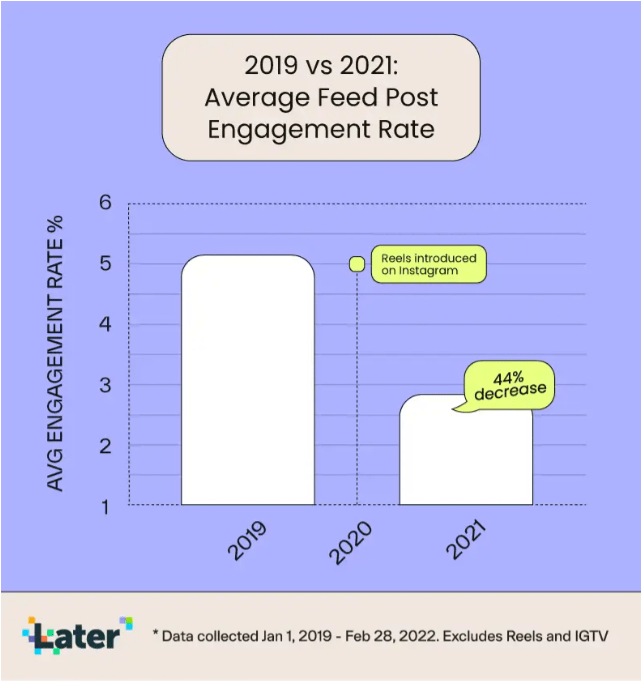
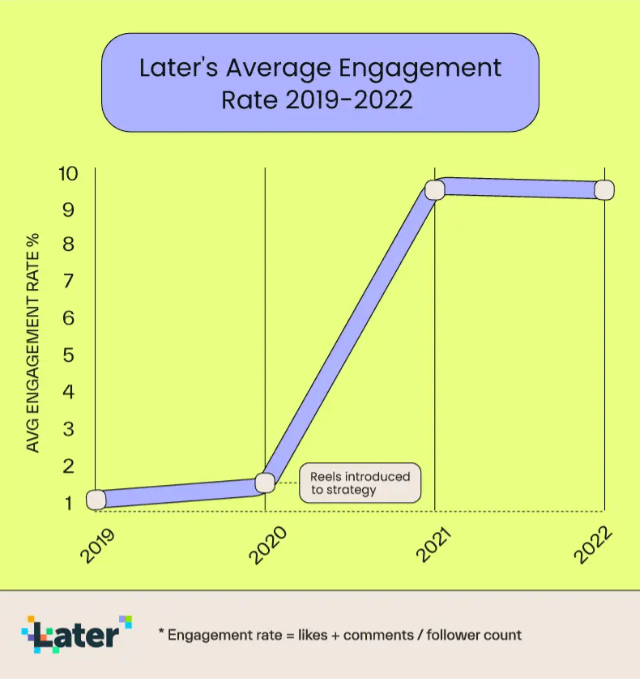
With Instagram’s algorithm doing its best to push reels in order to compete with TikTok, photographers are being left behind unless creating within the guidelines to reach a larger audience – something that landscape photographers especially may struggle with due to working mostly in the incorrect orientations.
This data from Later’s analysis of 81M+ posts helps break down my thoughts quite well, showing a clear preference to reels and carousels from Instagram users based on average engagement rates per post type:
Source: How Reels Have Impacted Feed Post Performance, Later
While social media has always led to trends in photography, this has led to a lot of photographers shooting exclusively in portrait, instead of shooting in landscape and cropping to get the most out of each image. This limits the number of things any work can be used for and potentially means a lot of opportunities can be missed. This isn’t an argument that portrait photography should be scrapped, but just something to consider as I’ve heard this exact situation from a lot of photographers, and something that I’m also guilty of.
What’s The New Trend?
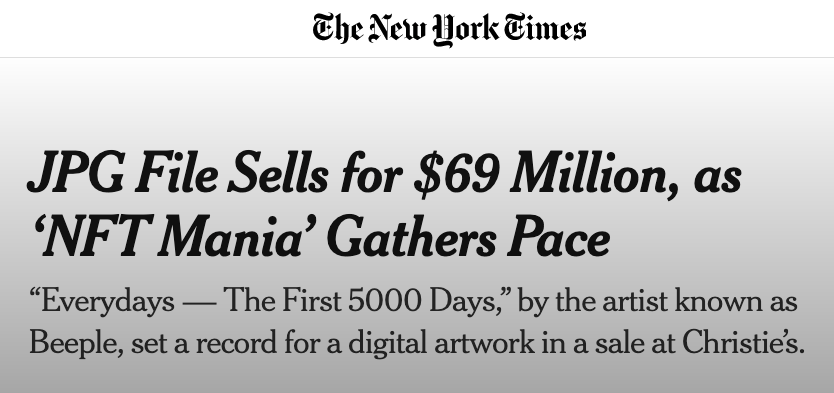
While a lot of this has been focused around the longevity and success of photography on social media, and creators making a living through aspects linked to web2, the ongoing adoption and push towards web3 will allow creators to earn regardless of the algorithms in place.
Traditionally, if an artist sells a piece, that is all they’ll make from what they’ve created. Using an NFT, they can collect funds from the original mint/first sale and collect a set amount of royalties for each secondary sale made after this – instead of the buyer being able to take 100% of the funds from this.
There are a few artists who create 1/1 pieces, whether that’s photography, graphic design, poetry, or any other forms of creative output. An example of this could be Damien Hurst minting a collection of paintings as NFTs, then giving the holder a year to decide on whether they want to keep the physical or digital version – almost like selling art with an expiry date.
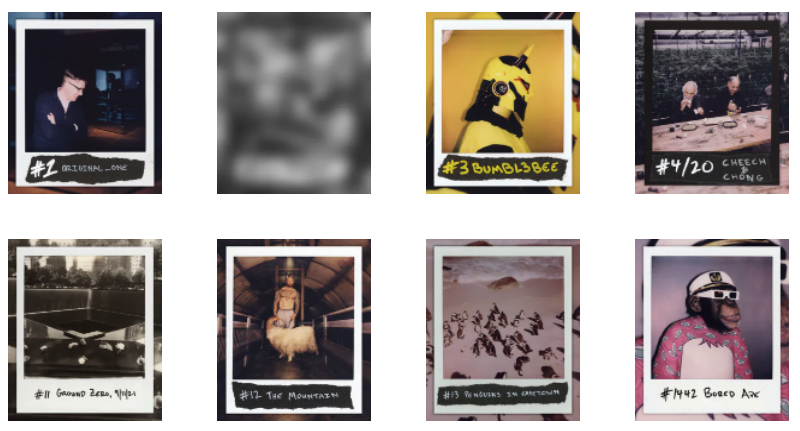
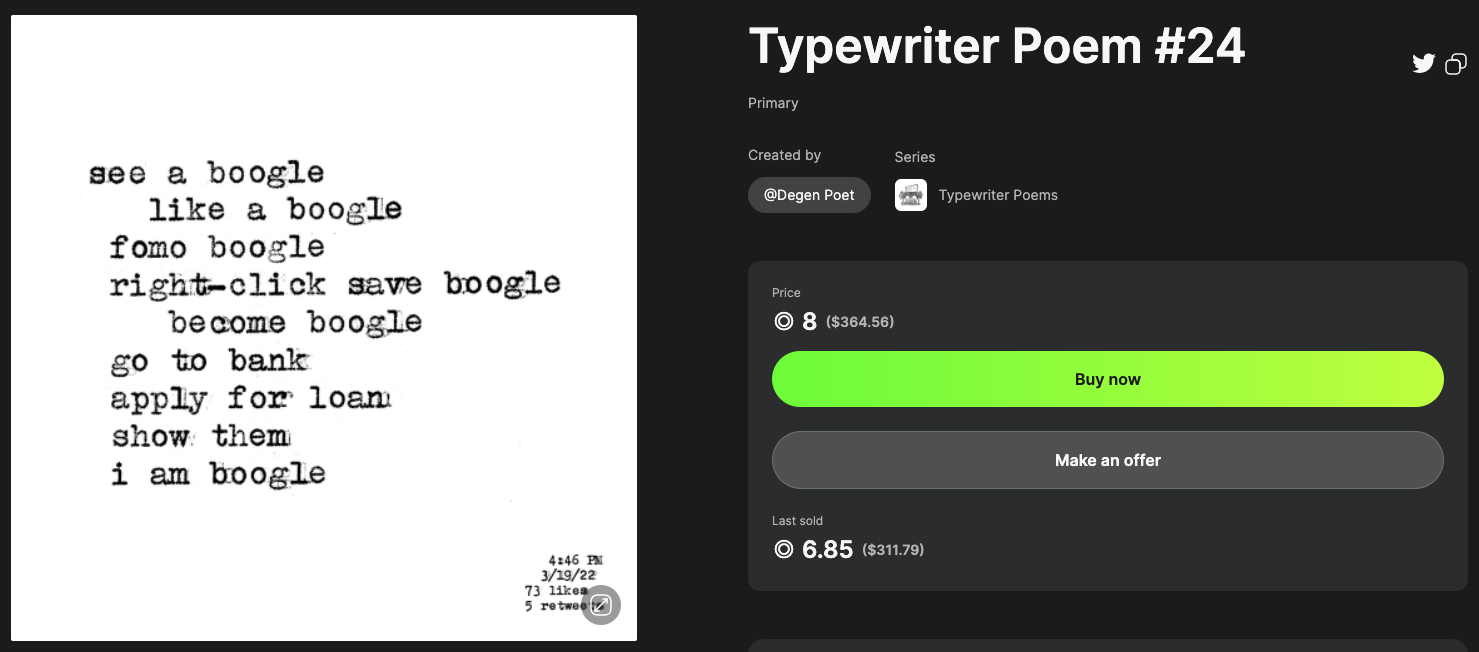
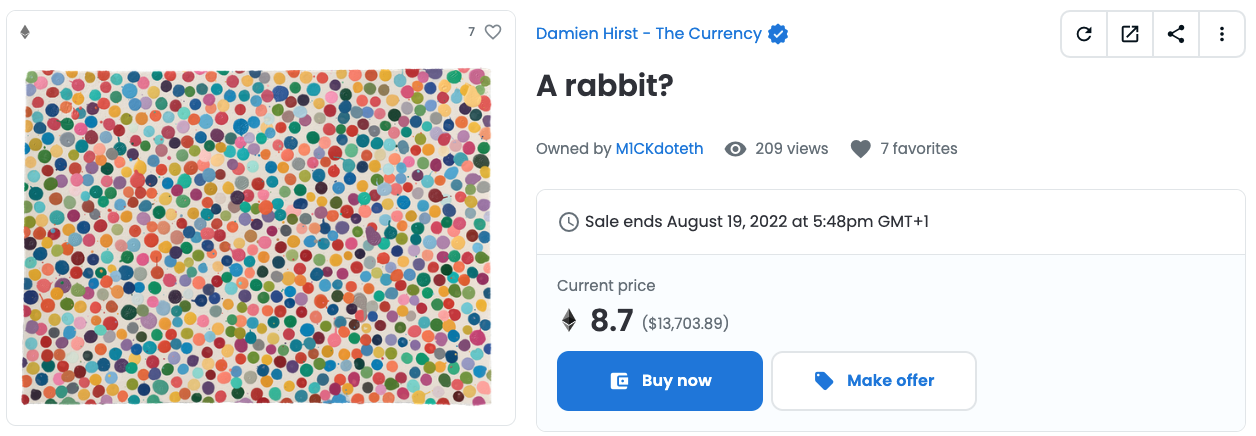
I haven’t seen a huge amount of photo-based projects, however, Logan Paul’s 99 Originals stands out to me as a way to monetise and market photography in a way that provides value to the consumer.
The slow release of this project helps to maintain the volume, with one mint a day allowing plenty of time for discovery.
Each piece comes with the original physical Polaroid as well as its own perks, whether that’s a guest spot on a podcast or equity in Prime, a brand created by Logan and KSI, among many other things.
With each piece granting you access to the Originals DAO, a group of 99 people are left to make decisions on what to do with the treasury wallet in order to have the best outcome for all holders. This is a clear advantage of using the technology behind NFTs in comparison to physical art, and helps to build communities around specific artists with a bunch of like-minded people.
So, What’s Next?
With Instagram’s recent update to include the ‘following’ and ‘favourites’ feed, it made me think that something similar could be introduced to separate video and photo content for users – and it seems to be something that others would be happy to have too.
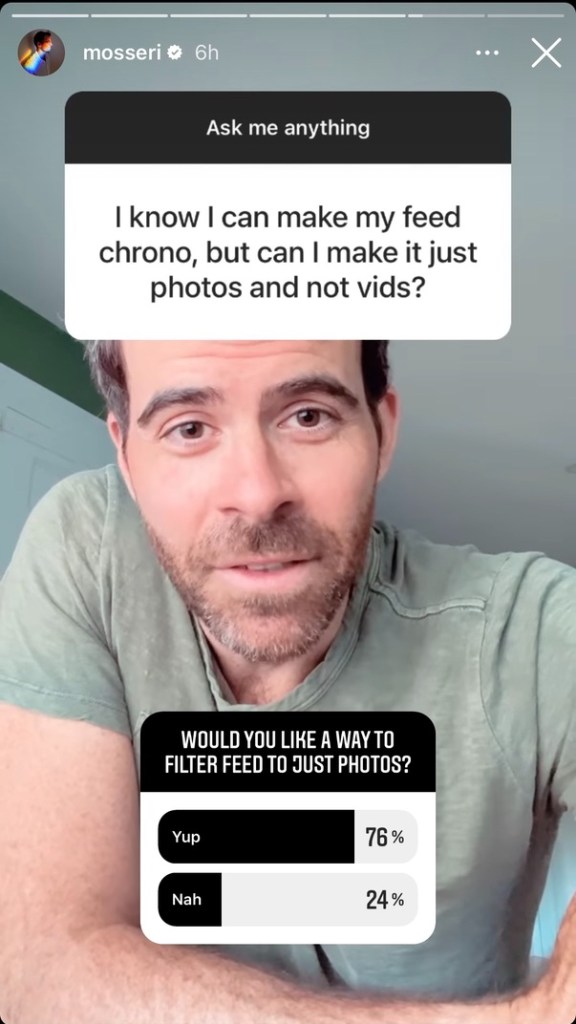
Looking at a recent poll from Adam Mosseri, Head of Instagram, a large amount of his following would like to see video and photo content individually on their feeds.
This would be hugely beneficial to photographers, with the distraction of reels removed, the chance for followers to see their content and meaningfully engage would be much greater in my opinion. In a similar way to the origins of the app, you could tailor your following to make a photo-only feed almost like a virtual gallery visit.
Unfortunately because of the dimensions of a phone screen, it will always be more difficult for landscape photographers to make an impression. While there are ways to work around it like adding a frame to take up more screen space or breaking the image into slides to form a carousel, there’s no truly user-friendly way to share a landscape image on most platforms.
There has to be some way around this, whether it’s allowing for square, portrait and landscape placeholders on a profile or a completely new platform.
Having to limit your creative thinking and true talent to cater to an ever-changing algorithm is an easy way to reach burnout, with ideas thrown away because they’re unlikely to perform well, it’s an increasingly difficult period for creatives of all aspects.


 Zak Michaelwaite
Leave a reply to zakmichaelwaite Cancel reply